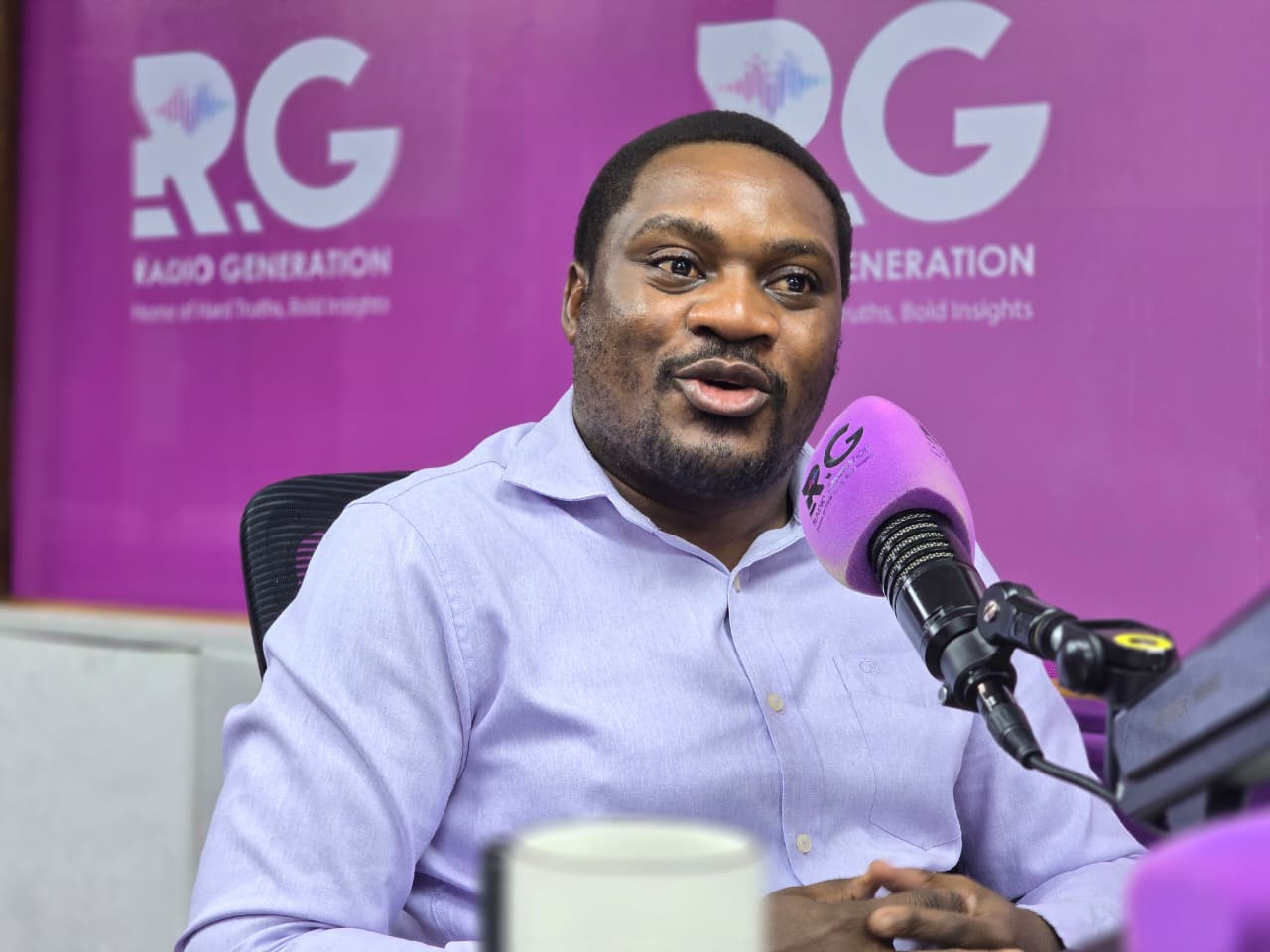
Venezuela’s leadership change appears to have been more a negotiated exit than a forced military takeover, according to geopolitical analyst Dr Alfred Makotsi. Speaking on Radio Generation on Thursday, he said the lack of internal chaos suggested elite agreement on President Nicolás Maduro’s removal.
Dr Makotsi linked the development to renewed U.S. influence in Latin America, oil interests, and efforts to counter China’s rising economic power. “There was a way they were supporting him, cushioning him, but all the same, he had his own fair challenges,” he said, referring to Maduro’s domestic and international pressures. He added, “he was not very democratic.”
Since taking over from Hugo Chávez in 2013, Maduro has faced continuous domestic opposition over allegations of authoritarianism, disputed elections, economic collapse, and the mass departure of millions of Venezuelans fleeing poverty and shortages of basic goods.
His government has also drawn criticism from Western nations for weakening democratic institutions and suppressing dissent.
Relations with Washington have been particularly strained, with the United States imposing sweeping sanctions on Venezuela’s oil sector and senior officials to pressure the government into restoring democratic governance.
Maduro has blamed the sanctions for worsening the country’s economic crisis and deepened ties with allies including Russia, Cuba, and China.
Dr Makotsi said these pressures placed Maduro in a difficult position as U.S. focus on Venezuela intensified. The standoff culminated in early January 2026 when U.S. forces captured Maduro in Caracas.
The United States described the operation as a targeted enforcement linked to criminal charges, rather than an act of war.
Reports indicated clashes near security installations, leaving dozens of Venezuelan and allied personnel dead. Maduro was subsequently transferred to the U.S., marking a major and controversial moment in Venezuela’s history, raising questions about sovereignty, regional stability, and the nation’s future.
The analyst outlined three theories about Maduro’s removal. First was the conventional idea of a military intervention, similar to cases like Iraq. The second suggested a U.S.-backed coup with Venezuelan elites handing him over.
However, he said the most plausible scenario was negotiation. “Even after Maduro has been taken away by the US, no army general has been sacked.
The Vice President is still intact. Heads are not rolling in that country,” he said, suggesting consent or at least acquiescence among the nation’s power centers.
“It means that they somehow agree to the actions or nobody is taking responsibility of the president’s protection,” he added, pointing to betrayal within Maduro’s circle.
He dismissed the idea of a covert military operation, saying such a move would likely have caused wider conflict. “I don’t think American soldiers can leave Venezuela with a president without casualties,” he noted, questioning reports of casualties among elite guards.
Dr Makotsi said attention should focus on U.S. strategy. He traced its roots to the 1823 Monroe Doctrine, originally aimed at opposing European colonialism, which he said essentially asserted U.S. control.
He noted the doctrine has resurfaced in modern policy, referring to it as the “Donald Doctrine,” highlighting a recent U.S. national security statement.
Oil remains central to the U.S. strategy, he said, noting that Venezuela holds the world’s largest proven reserves. Reports suggest negotiations involved between 30 and 50 million barrels. He questioned global claims of moving away from fossil fuels, saying, “I don’t see anything that the world is doing then getting away from oil.”
Dr Makotsi also linked U.S. actions in Venezuela to competition with China. “China has been a rising power in the economy side of world politics,” he said, warning that Washington must take deliberate steps to maintain influence.
Domestic U.S. politics may have also played a role, with foreign action serving as a distraction, he added: “Somebody would say it’s a diversionary tactic.”
In conclusion, he warned that such interventions carry long-term consequences. “Civilisations have collapsed,” he said, arguing that aggressive displays of power often signal decline rather than strength.































Comments
Sign in with Google to comment, reply, and like comments.
Continue with Google